How to Personalize Your Event at a Bar With Private Room
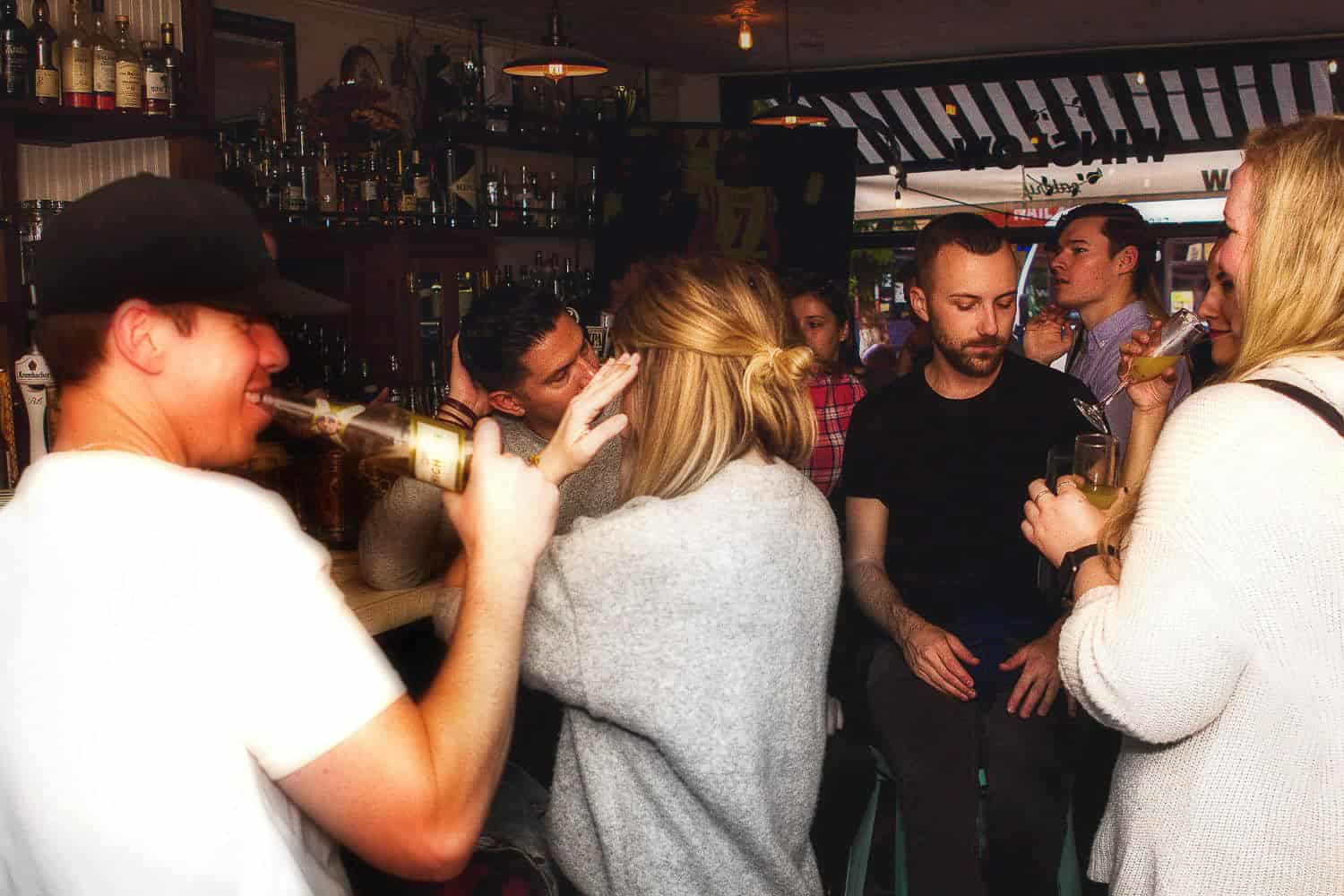
Booking a private room at a bar solves one problem quickly: you get a defined space, a clear headcount, and a setting that already has atmosphere built in. What it does not solve on its own is personality. A room can be stylish, the drinks can be excellent, and the service can run smoothly, yet the event still feels generic if every decision stops at the venue contract.
That gap is where personalization matters. Whether you are planning a birthday, a rehearsal dinner, a client reception, a retirement party, or a low-key engagement celebration, the room should feel like it belongs to the people in it. Guests notice the details that reflect the host, even when those details are subtle. They remember the playlist that made sense for the crowd, the cocktail that started conversations, the seating that kept nobody stranded at the edge, and the timing that let the evening breathe.
A bar with private room has one major advantage over a ballroom or banquet hall: it already comes with texture. There is lighting, glassware, a social rhythm, and a natural ease that most formal venues have to work hard to imitate. The smartest way to personalize an event in that setting is not to fight the venue. It is to shape what is already there so it feels intentional and specific to your gathering.
Start by deciding what kind of night you actually want
Many hosts begin with theme ideas, decor inspiration, or food choices. In practice, the most useful first question is simpler: what do you want people to say on the way home?
If the answer is, “That was relaxed and easy,” your choices will look very different from an event where you want guests saying, “That felt polished and impressive.” Both can happen in the same bar with private room, but the priorities shift. A relaxed birthday might lean into lounge seating, shared plates, and a strong playlist. A professional networking event might need brighter lighting, name visibility, and quieter background music early in the evening.
This sounds obvious until you are balancing multiple opinions. A host may want https://lorenzomyew848.theburnward.com/how-to-organize-a-tasting-event-in-a-bar-with-private-room elegance, while guests really need comfort. A company may want celebration, while leadership still wants the room to feel on-brand. A couple may love nightlife energy, while half the family wants somewhere to talk. When those tensions show up, clarity on the event’s purpose keeps personalization from becoming random.
I have seen hosts spend heavily on floral installations and signature signage, then realize halfway through the evening that no one can hear each other and the birthday guest is stuck greeting people instead of enjoying the party. I have also seen modest events feel memorable because the host understood the room, the guest mix, and the pace. Personalization is less about adding more and more about choosing what supports the experience.
Use the guest list as a design tool
The guest list is not just an attendance estimate. It tells you how the room should function.
A group of 20 close friends behaves differently from a group of 60 colleagues, extended family, and plus-ones. Intimate groups can tolerate unconventional seating, louder music, and a more playful flow. Mixed groups need more structure. They need obvious places to set a drink, enough circulation space, and some help crossing social lines.
When you review your list, look beyond total numbers. Notice the mix of ages, relationships, and expectations. Are there people who know each other well, or will most guests arrive needing a soft landing? Will they want to dance, network, toast, nibble, or settle in for a long evening of conversation?
A good event in a bar with private room often comes down to friction reduction. If older relatives have to squeeze past standing guests all night, that matters. If reserved coworkers are dropped into a nightclub-style sound level from minute one, that matters too. Personalization can be as practical as creating one quieter corner for conversation or arranging the room so the natural extroverts do not dominate the entire space.
The strongest hosts think like editors. They ask what the room needs more of, and what it needs less of.
Work with the room’s character instead of covering it up
Every private room has constraints. Some have exposed brick and low light. Some feel sleek and modern. Some are tucked behind the main bar and have energy from the venue outside. Others are nearly self-contained. Those details affect how much decor, branding, or programming the room can carry before it starts to feel forced.
If the room already has strong visual identity, you usually need fewer decorative elements than you think. A lot of hosts over-order signage, balloons, linens, and centerpieces because they are imagining an empty event space. A private bar room is not empty. It already has bottles, backbar glow, furniture, and usually a color story whether anyone planned one or not.
The better move is often selective enhancement. A few thoughtful additions can personalize the environment without cluttering it. Candlelight, a custom menu card, one photo area, or florals placed where guests naturally gather tend to do more than spreading decor across every surface.
This matters for budget as well. Money spent trying to visually transform the room from top to bottom often delivers less impact than money spent on experience-based details. Guests rarely leave talking about the quantity of objects in a room. They talk about how the room felt, how easy the evening was, and what surprised them in a good way.
Personalize through food and drink, not just visuals
At a bar event, the menu is part of the atmosphere. It is one of the easiest places to make the event feel custom without adding logistical headaches.
A signature cocktail is popular for a reason, but it only works when it is practical. If the drink is too complicated to batch or build quickly, service slows down and guests default to beer or vodka soda anyway. The best signature drinks have personality and speed. They can reference the guest of honor, a season, a shared memory, or a company color palette, but they still need to be easy to execute.
Food matters in the same way. A lot of hosts choose dishes based on what sounds upscale, then discover nobody can eat them gracefully while standing with a drink. Bars are social spaces first. The right event food supports conversation and movement. Passed bites, composed small plates, or stations with a clear flow often outperform anything too delicate or messy.
One of the most effective forms of personalization is narrative. Maybe the menu includes one cocktail inspired by the city where the couple met, one snack tied to a family tradition, or a late-night item that reflects the birthday person’s favorite comfort food. Guests do not need a long explanation for every choice. A small amount of context makes the room feel curated instead of standard.
When talking to the venue, ask what the bar team already does exceptionally well. If their whiskey program is the draw, use it. If their spritzes are known to be excellent, build around that. If the kitchen has one or two standout items, let those shine. Personalization does not require inventing something from scratch. It often looks better when it highlights the venue’s strengths through your lens.
Sound sets the mood faster than decor
Music changes the room before guests finish their first drink. It affects pace, volume, and social behavior more than most hosts expect.
A common mistake is treating the playlist as an afterthought. The other common mistake is making it too personal. A room full of guests does not need a three-hour tribute to your own listening habits. It needs a sound that supports the occasion and the crowd.
If you are working with venue audio rather than a live DJ, build in phases. Early arrivals usually need lower volume and broader appeal. Mid-event can carry more energy. Later in the night, especially for birthday parties or reunions, you can afford bolder choices because the room has settled. That progression feels natural and keeps people from shouting through the first hour.
If there are generations mixing, aim for recognition rather than novelty. Familiar songs often do more for atmosphere than obscure favorites. If it is a corporate event, consider the point at which speeches happen and whether the room can reset afterward without awkward silence. If it is a personal milestone, choose a few anchor songs that mean something and place them strategically rather than front-loading all of them.
Sound also includes microphones, announcements, and acoustics. In a bar with private room, a technically private space can still leak noise from the main venue or from the bar setup itself. Test speeches before the event if possible. A toast that nobody can hear feels longer than it is.
Lighting is one of the most overlooked personalization tools
People often think of lighting only in terms of whether a room is too dark for photos. The better question is whether the lighting matches the event’s social task.
Dim light flatters the room and encourages intimacy. It also discourages networking, makes place cards harder to read, and can leave older guests uncomfortable. Brighter light feels more functional and open, but it can strip away warmth if pushed too far. The ideal level depends on what you need guests to do.
Some bars will allow small adjustments to dimmers, candles, or accent lighting. Others will not. Ask early. If the venue is flexible, use that flexibility with restraint. A slight lift in brightness near food, the bar, or a memory table can make the whole event feel more polished. If you want photos, identify where they will likely happen and make that zone camera-friendly without turning the whole room into a spotlight.
Color lighting is trickier. It can work for product launches, milestone birthdays, or music-heavy celebrations. It can also cheapen a sophisticated space very quickly. Unless the venue already handles event lighting well, subtle usually wins.
Give the room a social center
Every successful private event has a point of focus, even if nobody names it that way. In some events it is the bar itself. In others it is a central table, a photo wall, a dessert display, or a seating cluster where the guest of honor naturally lands.
Without a social center, guests drift to edges. They stay with the two people they arrived with and never quite connect to the larger room. This is where layout matters more than decor.
If you are hosting in a bar with private room, walk the space and notice sightlines. Where do people see first when they enter? Where will coats go? Where will empty glasses collect? Where is there a tendency to bottleneck? Small changes in furniture arrangement can help more than expensive add-ons. Pulling a few seats into conversational groupings, keeping one side clear for standing mingling, or placing a focal element opposite the entrance can subtly direct energy.
This is especially important for celebrations with a guest of honor. If that person gets trapped near the doorway greeting arrivals all night, the room never quite settles. Give them a natural base, somewhere people can approach without blocking traffic.
Small custom touches work best when they are useful
There is a reason some custom details land and others feel disposable. The ones that work have a job to do.
A custom cocktail napkin can be excellent if it carries a date, a phrase, or a monogram that suits the occasion. A menu card works when it helps people decide quickly. Escort cards matter when seating would otherwise be chaotic. Signage is helpful when the room has multiple zones or a specific schedule. These details personalize while also making the event run better.
The details that often miss are the ones added only because they appear in other events. Oversized signs that nobody reads, favors that guests forget on the table, and novelty items that interrupt service can all make a room feel busier without making it feel more personal.
If you are deciding what to customize, use a simple test: would someone notice if this were absent? If the answer is no, it may not be worth the cost or visual space.
Timing affects personalization more than people realize
An event’s start time changes the whole personality of the room. Early evening gatherings invite conversation and can feel refined, especially with cocktails and passed food. Later starts naturally skew louder, looser, and more nightlife-driven. Afternoon private events often work well for family occasions or lower-pressure company celebrations, particularly when you want a bar setting without late-night energy.
Even within the event itself, pacing matters. Guests need a little time to arrive and orient themselves before you ask for attention. Food should show up before people get too hungry to mingle. Speeches should happen when the room is full enough to feel meaningful but not so late that momentum has shifted.
One useful planning exercise is to map the emotional rhythm of the night. Not a minute-by-minute script, just the broad shape. What should the first 20 minutes feel like? When should the room peak? When do you want it to soften again? Hosts who do this tend to make stronger choices because they stop treating all event hours as equal.
A few decisions are worth locking in early
Some choices create ripple effects across the whole event. Get these clear before you spend energy on smaller details.
- Choose the primary mood of the evening, such as celebratory, intimate, polished, or high-energy.
- Confirm whether the event is mostly seated, mostly standing, or a hybrid.
- Decide how much structure the night needs, including speeches, games, or presentations.
- Set the bar format early, whether open bar, limited menu, drink tickets, or consumption cap.
- Establish one visual anchor, such as florals, signage, or a photo moment, instead of several competing ones.
Those five choices shape nearly everything else, from staffing and furniture to music and menu flow. When they stay fuzzy, the event often starts collecting mismatched ideas.
Corporate events and personal celebrations need different kinds of customization
It is tempting to apply the same event logic across every occasion, but the tone of personalization should change with the purpose.
For a corporate gathering, guests usually want subtle cues that the event was thoughtfully hosted, not a flood of branding. A branded cocktail menu, welcome signage, or a few on-message design elements can go a long way. If you over-brand a small room, it starts to feel promotional rather than hospitable. For professional events, comfort often beats spectacle. People need to talk, move, and remember names.
For personal celebrations, emotional specificity matters more. Guests are more open to details that tell a story. Photos, favorite songs, inside references, and menu nods can all work beautifully if they are edited with discipline. Not every memory needs to become a prop. Pick the ones that other people can connect with.
A retirement party might call for warmth and history, but still needs enough structure that tributes do not drag. An engagement party may feel romantic, but should not force every guest into a formal dinner dynamic if the couple really wants a cocktail-style evening. The right personalization always matches the real social behavior of the people involved.
Budget often improves creativity
There is a strange freedom in having limits. When hosts know they cannot do everything, they usually make better decisions.
A modest budget in a bar with private room can still create a rich, memorable event if the spending follows the guest experience. Put money where people feel it directly: service quality, a smart menu, one or two standout details, and a comfortable layout. Pull back where spending is mostly ornamental or redundant with the venue’s existing atmosphere.
I have watched events with expensive decor feel oddly flat because guests waited too long for drinks and had nowhere to comfortably set them down. I have also seen simple gatherings feel elevated because the host upgraded glassware, chose a strong menu, arranged the room thoughtfully, and timed everything well. Guests tend to register coherence more than cost.
If you need to trim, cut the least functional customizations first. Keep the things that affect ease, mood, and hospitality.
Questions to ask the venue before you commit to personalization
A private room may seem flexible during the sales process, then prove less adaptable once contracts and operations come into play. Before ordering anything custom, clarify the venue’s rules and realities.
- Ask what can actually be moved in the room, including furniture, art, and lighting levels.
- Confirm vendor policies for florals, signage, desserts, photographers, and entertainment.
- Check service logistics, especially bar speed, kitchen timing, and staffing ratios.
- Understand sound limitations, including microphone access, playlist control, and noise bleed.
- Verify setup and breakdown windows so custom details are realistic, not rushed.
These questions protect both the aesthetic plan and the guest experience. They also help you avoid one of the most common problems with a bar with private room: designing an event for an imagined space instead of the actual one.
The best events feel personal without feeling overproduced
That balance is the mark of a seasoned host. Guests should notice intention, not effort. They should feel considered, not managed. The room should carry the personality of the event without turning into a stage set.
When personalization works, it often looks deceptively simple. The drinks suit the crowd. The music rises at the right moment. The guest of honor is easy to find. The decor is present but not shouting. The food arrives before anyone starts checking watches. The room feels like it makes sense.
That is the standard worth aiming for. Not maximal customization, and not generic convenience. Just a private event in a bar that feels unmistakably yours because the decisions were made with care, context, and a clear understanding of how people actually gather.
The Winslow
Address: 243 E 14th St, New York, NY 10003
Phone number: +12127777717
FAQ About Bar With Private Room
Which bars in NYC offer private rooms?
Many bars in New York City offer private and semi-private rooms for parties and events, ranging from hidden basement speakeasies to upscale lounge spaces. Top options include The Back Room on the Lower East Side, Dear Irving Gramercy, Pebble Bar in Midtown, Mister Paradise in the East Village, and The Winslow in the East Village.
What is a private room in a pub called?
A small, private seating area or partitioned booth in a traditional pub is most commonly called a snug. Larger private rooms used for events, parties, or dining are typically referred to as private dining rooms, function rooms, or back rooms.
How much does a 2 hour open bar cost?
A 2-hour open bar generally costs between $15 and $45 per person, depending heavily on the quality of alcohol you choose. For a standard group of 100 guests, this translates to an overall cost of $1,500 to $4,500 before taxes, setups, and staff gratuities.